Home / Best Time to Visit
Pick your season

Best time to visit Jacksonville

Jacksonville is a year-round town with no truly bad month — but each season has its own personality. Here's the honest local rundown of weather, ocean temps, crowds, prices and what's on, so you can pick the window that fits the trip you actually want.
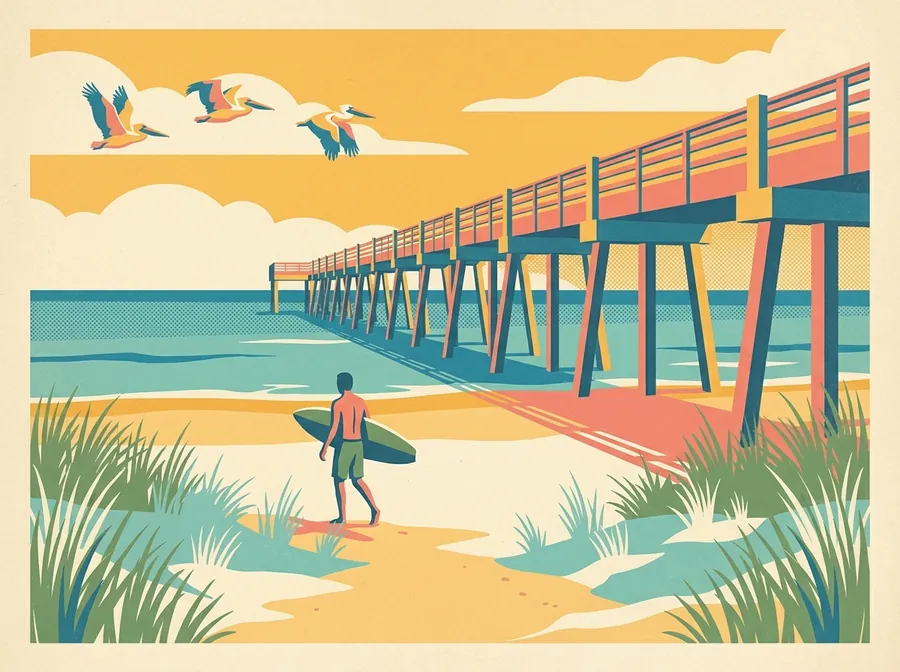
Retro postcard of a sunny Jacksonville beach with pelicans and a pier
The short answer

When most people should come

If you want one date to circle, aim for fall — roughly late September through November. The summer humidity finally lets go, days stay warm and sunny, the ocean is still bathwater-warm from summer, and the festival and football calendar is full. Spring (March through May) runs a very close second and is the best stretch for festivals and mild, comfortable weather.

That said, the "best" month really depends on what you're after. Chasing warm surf and long beach days? Late spring and early fall win. Hunting the lowest hotel rates and the emptiest sand? A winter weekday is your friend. Below we break it down season by season, then month by month.


Quick gut-check: Jacksonville sits on Florida's First Coast, so it runs a little cooler and more seasonal than South Florida. Winters here are genuinely mild and sunny, not tropical — pack a light jacket for January evenings.
Season by season

The case for each season

SPRING
March – May

Spring: festivals & perfect weather

Arguably the prettiest stretch of the year. Mild, comfortable days, low humidity by Florida standards, and the city's outdoor event calendar at its fullest. Late spring is when the ocean warms up enough to swim and the beaches feel alive without the deep-summer heat. The trade-off: spring break and festival weekends can get busy.

SUMMER
June – August

Summer: beach season & storms

Peak beach time and peak heat. Expect highs in the low 90s, sticky humidity, and near-daily afternoon thunderstorms that usually pass fast. The ocean is at its warmest. Mornings are golden; afternoons are for an indoor break or a quick rain wait-out. Note that this is the heart of hurricane season — more on that below.

FALLBEST
September – November

Fall: the local favorite

For our money, the best all-around time to visit. The humidity breaks, days are warm and sunny, and the ocean stays warm from summer well into October. Football season fills the city, and the festival calendar picks back up. Early fall still carries hurricane-season risk, but the weather payoff is the best of the year.

WINTER
December – February

Winter: mild, quiet & cheapest

Jacksonville winters are mild and sunny, with highs often in the 60s to low 70s. The ocean cools toward the 60s, so it's more for walking than swimming, but the sand is gloriously uncrowded and hotel rates are at their lowest. If you care more about the city, day trips and value than beach swimming, winter weekdays are a quiet gem.

Month by month

A walk through the year

Temperatures below are typical ranges, not promises — Florida weather has a sense of humor. Use them to pack and plan, and always confirm specific event dates on our events page before you bank on them.


JANFL
January · cool & quiet

January

The coolest month, with highs typically in the low-to-mid 60s and chilly nights. The ocean is around 60, so this is sweater-and-beach-walk weather, not swimming. Crowds and prices are low — a great month for a quiet, value-minded city trip.

FEBFL
February · mild & cheap

February

Similar to January but warming up, with highs generally in the mid 60s and reaching the low 70s on the sunniest days. Still cool ocean water and light crowds. One of the best-value months on the calendar, especially midweek.

MARFL
March · festival season opens

March

Spring arrives. Pleasant highs in the 70s, low humidity, and the festival calendar kicking into gear. The ocean is still on the cool side. Expect busier weekends around spring break, but the weather is hard to beat.

APRFL
April · prime spring

April

Many locals' favorite month. Warm, dry, comfortable highs in the upper 70s to low 80s, blue skies, and a full slate of festivals and outdoor events. The water is warming but still brisk for a full swim. Lovely all around.

MAYFL
May · warm water arrives

May

Late spring sweet spot for the beach. Highs climb into the 80s, humidity is still manageable, and the ocean finally warms up enough for real swimming. Great mix of warm water, good weather and pre-summer crowd levels.

JUNFL
June · summer + storms begin

June

Full summer. Highs in the upper 80s to low 90s, rising humidity, and the start of the afternoon-thunderstorm pattern. The ocean is warm and inviting. Hurricane season officially opens June 1, though activity is usually light this early.

JULFL
July · hot & busy

July

Hot, humid and lively, with highs in the low 90s and daily afternoon storms. The water is warm and the beaches are buzzing around the Fourth of July. Plan beach time for mornings and keep afternoons flexible around the rain.

AUGFL
August · peak heat & warmest ocean

August

The hottest, stickiest stretch — highs in the low 90s that feel warmer, and the warmest ocean of the year, up in the 80s. Storms are frequent. Hurricane season is ramping toward its peak, so keep half an eye on the tropics.

SEPFL
September · warm water, thinner crowds

September

Summer heat starts to ease late in the month while the ocean stays warm from summer — a quietly great beach window once the back-to-school crowds clear out. This is the statistical peak of hurricane season, though, so watch the forecast.

OCTFL
October · the local pick

October

Often the best month of the year. Warm, sunny days in the 80s, much lower humidity, still-warm ocean water, and football season and fall festivals in full swing. Hurricane risk is winding down but not gone. Hard to do better.

NOVFL
November · crisp & comfortable

November

Cooler and very pleasant, with highs typically in the 70s and hurricane season closing out on November 30. The ocean is cooling but the weather for sightseeing, day trips and patio dining is excellent. Crowds and prices ease after the holidays kick off.

DECFL
December · mild & festive

December

Cool, mild and often sunny, with highs commonly in the 60s and holiday lights and events around the city. Too cool for ocean swimming, but lovely for beach walks and downtown strolls. Rates are low outside the holiday peak.

Read this first

An honest word on hurricane season

Atlantic hurricane season runs June 1 through November 30, and activity typically peaks from August into October — which overlaps with some of Jacksonville's nicest beach weather.

Here's the balanced take: Jacksonville sits on the northeast coast of Florida and is not hit nearly as often as South Florida, but tropical storms and the occasional hurricane do affect the area. Most late-summer and early-fall trips go off without a hitch. Still, if you travel during peak season, it's smart to watch the forecast in the days before you leave, keep your plans a little flexible, and consider travel insurance. Don't let it scare you off — just go in with eyes open.

Planning tip: Booking refundable lodging during peak season gives you an easy out if a storm threatens your dates. Then build a rain-friendly backup day using our itineraries and things to do ideas.
Good to know

Common questions

What is the overall best time to visit Jacksonville?

For most people, fall is the sweet spot. From roughly late September through November the humidity finally breaks, days are warm and sunny, the ocean is still bathwater-warm from summer, and the festival and football calendar is packed. Spring (March through May) is a very close second and is the best stretch for festivals.

When is the cheapest time to visit Jacksonville?

Winter, especially on weekdays. From December through February the beach crowds thin out, hotel rates around the Beaches and downtown tend to be at their lowest, and you can still get plenty of mild, sunny days. If your trip is more about the city than the surf, a winter weekday is the best value on the calendar.

When is hurricane season in Jacksonville?

Atlantic hurricane season runs June 1 through November 30, with activity typically peaking from August into October. Jacksonville is on the First Coast and is not hit as often as South Florida, but tropical storms and the occasional hurricane do affect the area. If you travel in late summer or early fall, watch the forecast and consider travel insurance.

When is the ocean warm enough to swim in Jacksonville?

The water is comfortable for swimming from roughly late spring through early fall. It is warmest in late summer, when it can feel like the 80s, and coolest in winter, when it drops toward the 60s. Late spring and early fall give you the best mix of warm water, warm air and lighter crowds.

Is summer a good time to visit Jacksonville?

Summer is great if you came for the beach and don't mind heat. Expect highs in the low 90s, high humidity, and near-daily afternoon thunderstorms that usually blow through quickly. The ocean is at its warmest. Just plan beach time for the morning, keep afternoons flexible, and remember this is the heart of hurricane season.

When are the best festivals in Jacksonville?

Spring is the big festival window, roughly March through May, when the weather is mild and the city's outdoor event calendar is at its fullest. Fall is the other strong stretch, pairing cooler weather with football season. Check our events page and This Weekend guide for exactly what's on while you're in town.